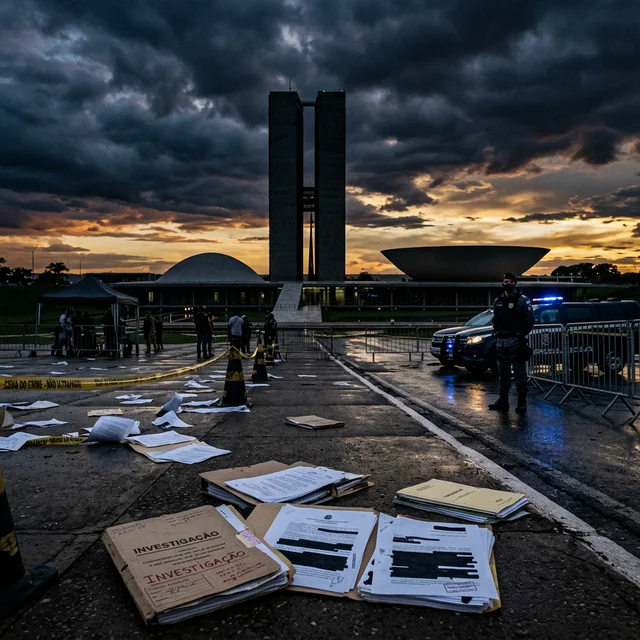
The Unfolding Investigation: A Deep Dive into Lulinha's Finances Amidst INSS Fraud Probe
The financial dealings of Fábio Luís Lula da Silva, famously known as Lulinha, son of Brazilian President Luiz Inácio Lula da Silva, have become the focal point of a significant INSS fraud investigation. This probe centers on alleged irregularities and fraudulent activities in the concession of social security benefits, with a particular emphasis on a contentious R$300,000 payment. The critical measure allowing investigators to scrutinize his financial life is the determined
quebra de sigilo bancário e fiscal, or the breaking of Lulinha's banking and tax secrecy.
This decision, initially approved by the Joint Parliamentary Commission of Inquiry (CPMI) into INSS fraud, was staunchly upheld by Senate President Davi Alcolumbre. His ruling rejected a petition to annul the commission's resolution, affirming the legitimacy and necessity of accessing Lulinha's sensitive financial data. Alcolumbre's declaration that "the alleged violation of the regimental norms is not evident and unequivocal" solidified the path for further financial scrutiny. This move underscores the serious commitment of parliamentary investigators to trace the intricate web of alleged fraud and its potential beneficiaries, aiming to ensure transparency and accountability in public and related private financial activities.
Allegations and the R$300K Payment at the Core
The heart of the investigation, as revealed by the CPMI's rapporteur, Deputy Alfredo Gaspar, lies in intercepted messages suggesting a R$300,000 payment. This sum was reportedly directed to a company with ties to Roberta Luchsinger, with the ultimate beneficiary being referred to obliquely as "o filho do rapaz" – a phrase interpreted by investigators as a clear allusion to Lulinha. Such an indirect reference in sensitive communications often signals an attempt to conceal the true recipient, raising immediate red flags for forensic analysis.
Furthermore, the inquiry extends beyond this singular payment. Documents gathered by the commission reportedly indicate other substantial transfers, totaling R$1.5 million, exchanged between companies linked to various individuals under investigation. These transactions were purportedly justified as "consulting services," yet allegedly lacked any discernible economic basis or genuine service delivery. Such arrangements are frequently scrutinized in fraud investigations, as they can serve as conduits for illicit financial flows, camouflaging kickbacks or money laundering activities. The necessity for the
quebra de sigilo Lulinha in this context becomes paramount, offering the most direct route to verify the legitimacy of these payments and their ultimate destinations.
Understanding "Quebra de Sigilo": What it Means and Why it's Crucial
The term "quebra de sigilo" translates directly to "breaking of secrecy," and in the context of this investigation, it specifically refers to the judicial or parliamentary authorization to access an individual's confidential banking and tax records. This is not a measure taken lightly, as it infringes upon the fundamental right to financial privacy. However, in cases of suspected serious financial crimes, corruption, or fraud, it becomes an indispensable tool for investigators.
The Mechanics of Financial Transparency in Investigations
When a "quebra de sigilo" is approved, institutions like banks, tax authorities, and financial intelligence units are legally compelled to provide detailed records. For Lulinha's case, this means the CPMI gains access to:
- Bank statements: Revealing all incoming and outgoing transactions, account balances, and the origins/destinations of funds.
- Tax declarations: Providing a comprehensive overview of declared income, assets, liabilities, and tax payments over specific periods.
- Financial Intelligence Reports (RIFs): These are often generated by regulatory bodies like the Council for Financial Activities Control (COAF) in Brazil, highlighting suspicious transactions, unusual patterns, or links to individuals/entities involved in illicit activities.
The primary purpose of such an extensive disclosure is to follow the money trail. Investigators seek to establish if the R$300,000 payment, or any part of the R$1.5 million in alleged sham consultancy fees, entered Lulinha's accounts or companies connected to him. They will analyze the timing, amounts, and counterparties of these transactions, comparing them against his declared income and legitimate business activities. Discrepancies, unexplained wealth, or direct links to the INSS fraud scheme could provide crucial evidence for prosecution. The legal basis for the "quebra de sigilo Lulinha" is rooted in the overwhelming public interest in combating large-scale fraud, especially when it involves public funds or social security benefits meant for vulnerable citizens.
The Broader Scope: INSS Fraud and Its Impact
This investigation into Lulinha's finances is part of a much larger and more nefarious scheme known as "Operação Sem Desconto" (Operation No Discount). This operation targets a national network of unauthorized associative discounts that have systematically defrauded millions of retirees and pensioners across Brazil. These vulnerable individuals, often elderly and relying heavily on their INSS benefits, have had portions of their pensions unlawfully deducted, without their consent or knowledge, by various associations.
The main operator of this criminal scheme, Antônio Carlos Camilo Antunes, dubbed "Careca do INSS," is central to the broader investigation. Messages extracted from his cell phone are a key source of information, including the reference to "o filho do rapaz" concerning the R$300,000 payment. The scale of this fraud is staggering, impacting the financial stability and dignity of countless Brazilians who have dedicated their lives to work and are now being victimized in their retirement. The CPMI's actions, including the comprehensive access to financial records facilitated by the "quebra sigilo Lulinha" decision, are critical steps in unraveling the full extent of this criminality and bringing all responsible parties to justice.
Protecting Pensioners: Vigilance Against Unscrupulous Schemes
The "Operação Sem Desconto" serves as a stark reminder of the sophisticated methods employed by fraudsters targeting social security beneficiaries. For citizens, especially pensioners, it's crucial to exercise vigilance:
- Regularly check benefit statements: Scrutinize all deductions and query any unfamiliar or unauthorized entries with the INSS directly.
- Be wary of unsolicited calls or messages: Fraudsters often impersonate INSS officials or offer "assistance" to gain personal information.
- Never share personal or banking details: Do not provide CPF, bank account numbers, or passwords over the phone or to unverified individuals.
- Report suspicious activity: If you suspect fraud, contact the INSS or relevant consumer protection agencies immediately.
These preventive measures, combined with robust investigations like the ongoing probe into Lulinha's finances, are essential to safeguard the integrity of the social security system and protect its beneficiaries.
Lulinha's Defense and Legal Maneuvers
In response to the intensifying investigation and the public scrutiny following the "quebra de sigilo Lulinha" decision, Fábio Luís Lula da Silva's legal defense has vehemently denied any involvement in the INSS fraud scheme. His lawyers assert that he has no connection to the alleged irregularities, has not participated in any diversions of funds, nor has he received any illicit amounts from criminal sources.
The defense team, led by attorney Guilherme Suguimori Santos, has articulated a strong stance against what they describe as an "incessant media campaign reproducing partial and confidential data of an ongoing investigation." To counter this, they have formally requested access to the full investigation files from the Supreme Federal Court (STF). This move is a common and critical procedural step, allowing the defense to understand the evidence against their client and prepare an informed response. Until this access is granted, the defense maintains that any further public statements or detailed refutations are legally challenging. Lulinha has also publicly stated his willingness to cooperate and provide clarifications to the Supreme Court once his legal team has had the opportunity to review the case documents thoroughly.
Implications and Moving Forward: Safeguarding Public Trust
The investigation into Lulinha's finances and the "quebra sigilo Lulinha" has profound implications, transcending individual accusations. It highlights the critical need for absolute transparency and accountability in Brazil's public and related private sectors, especially concerning the management of social security funds. Any perception of impropriety, particularly involving individuals connected to high political office, can significantly erode public trust in institutions and the justice system.
The ongoing parliamentary inquiry demonstrates the vital role of independent oversight bodies in democratic governance. Their power to compel information, even highly sensitive financial data, is a cornerstone of combating corruption and ensuring that no one is above the law. As the investigation progresses, the focus will remain on meticulously tracing financial flows, corroborating evidence from intercepted communications, and ultimately establishing clear connections or disconnections between Lulinha's finances and the widespread INSS fraud. The outcome will not only determine the legal fate of those involved but will also send a powerful message about Brazil's commitment to fighting financial crime and protecting its most vulnerable citizens.
Conclusion
The INSS fraud investigation, with its spotlight on Fábio Luís Lula da Silva's finances and the pivotal "quebra de sigilo Lulinha," represents a crucial moment for transparency and accountability in Brazil. As parliamentary and legal processes unfold, the nation watches to see how the allegations surrounding a R$300,000 payment and other suspicious transactions will be resolved. The ultimate goal remains clear: to expose the full extent of the INSS fraud, protect the millions of pensioners affected by unauthorized deductions, and reinforce the principle that financial scrutiny applies to all, regardless of their connections. This meticulous process of unraveling complex financial networks is vital for upholding the rule of law and restoring public confidence in the institutions designed to serve and protect its citizens.