Alcolumbre Upholds Lulinha's Bank Secrecy Break in INSS Fraud Probe
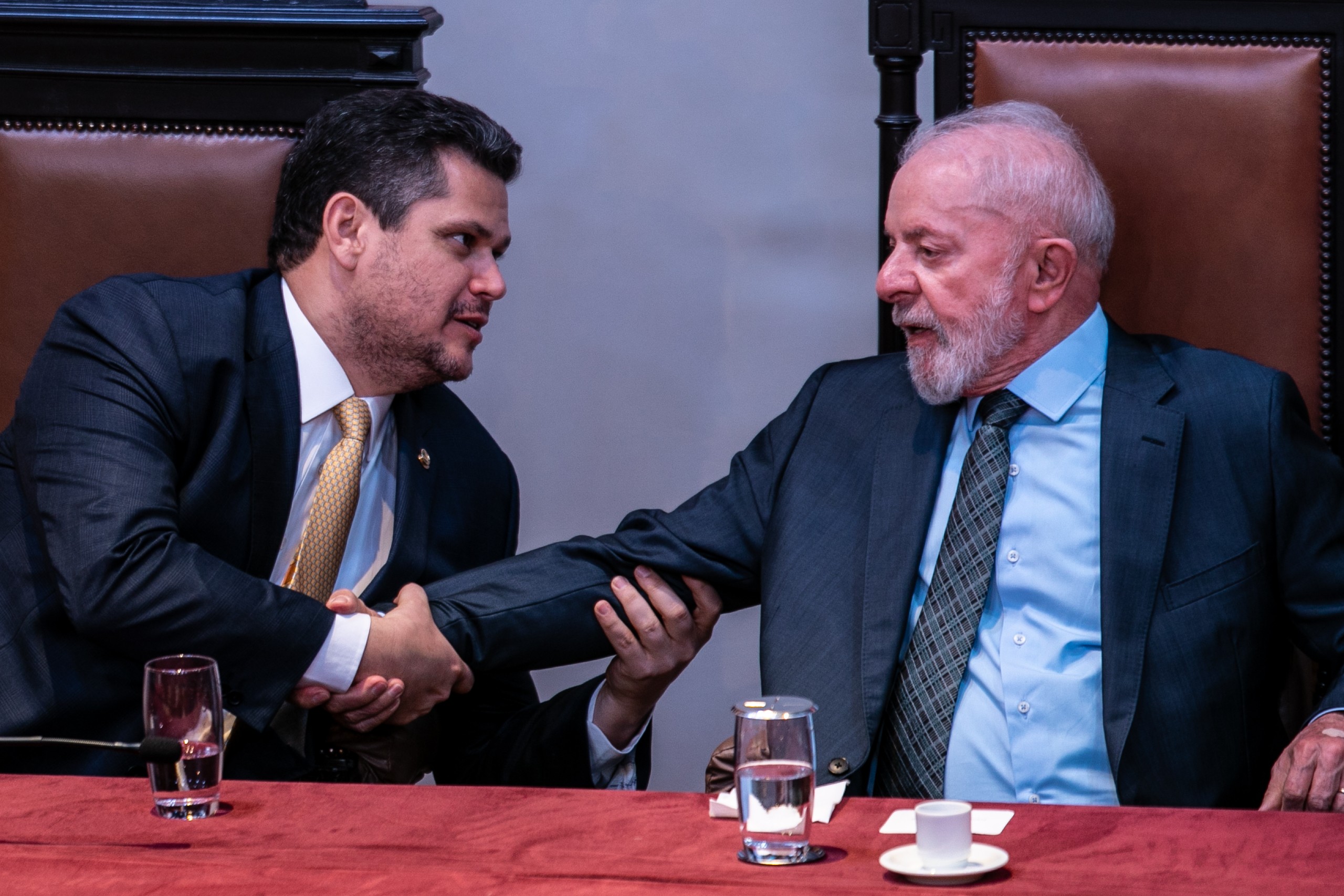
In a significant development that underscores Brazil's commitment to tackling public corruption, Senate President Davi Alcolumbre (União-AP) has firmly rejected an appeal seeking to annul the decision by the Mixed Parliamentary Inquiry Commission (CPMI) on INSS to access the financial and tax records of Fábio Luís Lula da Silva, known as Lulinha. Lulinha, the son of President Luiz Inácio Lula da Silva, finds himself at the center of a sweeping investigation into alleged fraud and irregularities within the national social security system. This pivotal move by Alcolumbre ensures that the INSS Fraud Investigation: Lulinha's Finances Probed Over R$300K Payment continues with full parliamentary oversight, maintaining transparency as a cornerstone of the probe. The decision to uphold the quebra sigilo Lulinha, or the breach of Lulinha's financial secrecy, reflects a broader legislative resolve to scrutinize all avenues connected to the alleged scheme.
The original deliberation by the CPMI, which approved the access to Lulinha's banking and fiscal records, took place on February 26. Following the submission of an appeal to block this measure, Alcolumbre stated he would consult the Senate's legal advisory before announcing his final position. His subsequent declaration on Tuesday, March 3rd, affirmed the legitimacy of the CPMI's actions, noting that "the alleged violation of the regimental norms does not appear evident and unequivocal." This ruling reinforces the investigative powers of parliamentary commissions, particularly when confronting complex networks of alleged financial misconduct.
The Unwavering Decision: Alcolumbre Reinforces Parliamentary Authority
Davi Alcolumbre's decision to maintain the quebra sigilo Lulinha is more than a procedural formality; it is a powerful statement about the independence and authority of Brazil's legislative inquiry mechanisms. As President of the Senate, Alcolumbre holds significant sway over parliamentary proceedings, and his endorsement provides crucial backing to the CPMI do INSS. By rejecting the plea to overturn the secrecy break, he effectively signaled that the commission's powers to investigate potential financial irregularities will not be easily curtailed, even when high-profile individuals are involved. This action is critical for preserving the integrity of the investigation, allowing the CPMI to delve deeper into the financial flows that might illuminate the alleged fraud scheme.
The essence of a parliamentary inquiry commission lies in its ability to gather comprehensive information, including sensitive financial data, to uncover truths that might otherwise remain hidden. When such a commission, after careful deliberation, deems the breach of financial secrecy necessary, the backing of the Senate's leadership is paramount. Alcolumbre's consultation with the Senate's legal department before making his announcement further underscores the measured and legally sound approach taken in this matter. This meticulous process aims to ensure that while the investigations are rigorous, they also adhere strictly to legal and regimental frameworks, upholding due process while pursuing justice.
Unpacking the INSS Fraud Probe and Lulinha's Alleged Connection
At the heart of this parliamentary scrutiny is the widespread and deeply damaging fraud within the National Social Security Institute (INSS). This scheme involves irregularities in the granting of social security benefits and, crucially, unauthorized associative discounts that have reportedly defrauded millions of retirees and pensioners across Brazil. These vulnerable individuals rely on their benefits for survival, making the alleged scheme particularly egregious.
Lulinha's financial records became a target after the CPMI do INSS approved a package of 87 requests for secrecy breaks, targeting various individuals and entities suspected of involvement. The impetus for including Lulinha in these requests stemmed from compelling evidence presented by the rapporteur, Deputy Alfredo Gaspar. Gaspar highlighted intercepted messages indicating a R$300,000 payment to a company linked to Roberta Luchsinger, with the recipient allegedly being "the son of the guy," a reference investigators believe points to Lulinha. Furthermore, documents reportedly show R$1.5 million in transfers between companies connected to the investigated parties, ostensibly for "consultancy services" that lacked clear economic justification.
These findings provided the critical justification for the CPMI's unanimous decision on February 26 to push for the quebra sigilo Lulinha. Deputy Gaspar emphasized that accessing Lulinha's bank and fiscal records, along with financial intelligence reports, was an "imperative técnico" for the commission to fully understand the scope and mechanics of the alleged fraud. The investigation also ties into Operation Sem Desconto, an ongoing federal probe into the unauthorized discount scheme. Lulinha has been cited in a Supreme Federal Court (STF) decision that authorized further phases of this operation, with one significant phase slated for December 18, 2025, indicating the long-term and intricate nature of these investigations. Messages extracted by the Federal Police from Antônio Carlos Camilo Antunes, dubbed "Careca do INSS" and identified as a key operator in the criminal scheme, further implicated Lulinha through mentions of the R$300,000 payment.
The Role of the CPMI do INSS: Ensuring Accountability
The CPMI do INSS serves as a vital instrument of legislative oversight in Brazil. Unlike a regular police investigation or judicial proceeding, a CPMI combines members from both the Chamber of Deputies and the Senate, granting it broad powers to investigate matters of national public interest. These powers include summoning witnesses, demanding documents, and crucially, authorizing the breach of banking and fiscal secrecy, all aimed at uncovering facts and recommending measures to prevent future abuses.
The commission's decision regarding Lulinha, alongside other individuals and companies, underscores its commitment to robustly pursue leads without prejudice. This legislative body plays a critical role in ensuring governmental and public accountability, especially concerning institutions like the INSS, which manage vast public funds and serve millions of citizens. The process of approving the quebra sigilo Lulinha involved rigorous debate and a vote, reflecting a consensus among the parliamentarians on the necessity of this step for a thorough investigation. Such actions by the CPMI are fundamental to upholding democratic principles, promoting transparency, and restoring public trust in government institutions. For a deeper dive into how the CPMI functions in such cases, readers can explore CPMI do INSS: Lulinha's Financial Records Accessed in Benefit Scheme Probe.
Lulinha's Defense and the Road Ahead
In response to the unfolding investigation and the decision to access his financial records, Lulinha's defense has vehemently denied any involvement in the INSS fraud. In a statement released shortly before the CPMI's vote, his legal team asserted that Lulinha has no connection to the fraud against INSS beneficiaries, has not participated in any diversions, nor has he received any funds from criminal sources. His lawyer, Guilherme Suguimori Santos, highlighted what he described as an "incessant media campaign reproducing partial and secret data of an ongoing investigation," and stated that he had requested access to the investigation from the STF.
The defense has also indicated that Lulinha is available to provide clarifications to the Supreme Federal Court once he is granted full access to the case files, which, according to his lawyer, had not yet been granted. This stance is typical in high-stakes investigations, where the accused often seeks to review all evidence before formally responding to allegations. The legal battle ahead will likely involve intricate analysis of the financial data once it is obtained, followed by potential testimonies and further investigative steps. The upholding of the quebra sigilo Lulinha means that the investigators will now proceed with examining the financial information, which could either substantiate or refute the allegations, moving the probe into its next critical phase.
Conclusion
The decision by Senate President Davi Alcolumbre to uphold the CPMI do INSS's order for the quebra sigilo Lulinha marks a pivotal moment in the ongoing investigation into widespread INSS fraud. It underscores the legislative branch's commitment to independent oversight and its determination to uncover potential wrongdoing, regardless of the individuals involved. As the investigation progresses, the financial and fiscal data accessed will be crucial in piecing together the full scope of the alleged scheme and clarifying Lulinha's potential role. This case highlights the intricate balance between individual privacy rights and the public's right to transparency and accountability in matters of public finance, reinforcing the principle that no one is above scrutiny when public funds are at stake. The path ahead will demand meticulous investigation, adherence to due process, and ultimately, a clear resolution for the millions of Brazilians affected by the alleged fraud.